Understanding the Environmental Impact of Aluminum Bike Frame Production
The Hidden Footprint of Aluminum Frame Creation
When we think about aluminum bike frames, they gleam with the promise of sleek designs and lightweight rides. But behind that polished surface lies a production process that leaves its mark on our planet. Here’s the kicker: producing aluminum isn’t as innocent as it looks.
First, let’s talk about the raw material—bauxite. Mining this ore can carve out entire landscapes, leaving scars in forests and disrupting ecosystems. Then there’s the smelting process. This is where it gets energy-hungry. Melting aluminum requires extreme heat, often powered by fossil fuels, and releases significant amounts of carbon dioxide—a notorious climate villain.
And while aluminum is recyclable (hooray!), not all production relies on recycled materials. In fact, many manufacturers still lean on virgin aluminum, which has a much larger environmental impact. So, let’s look closer at what makes this material both a challenge and an opportunity.
- Energy-intensive processes: Heating ovens, casting molds, refining—it all adds up to a substantial energy demand.
- Toxic by-products: From red mud during mining to fluorides during smelting, waste management becomes critical.
It’s like riding a beautiful bike but realizing the road beneath it also needs fixing.
Eco-Friendly Materials for Sustainable Manufacturing
Choosing Materials That Respect the Planet
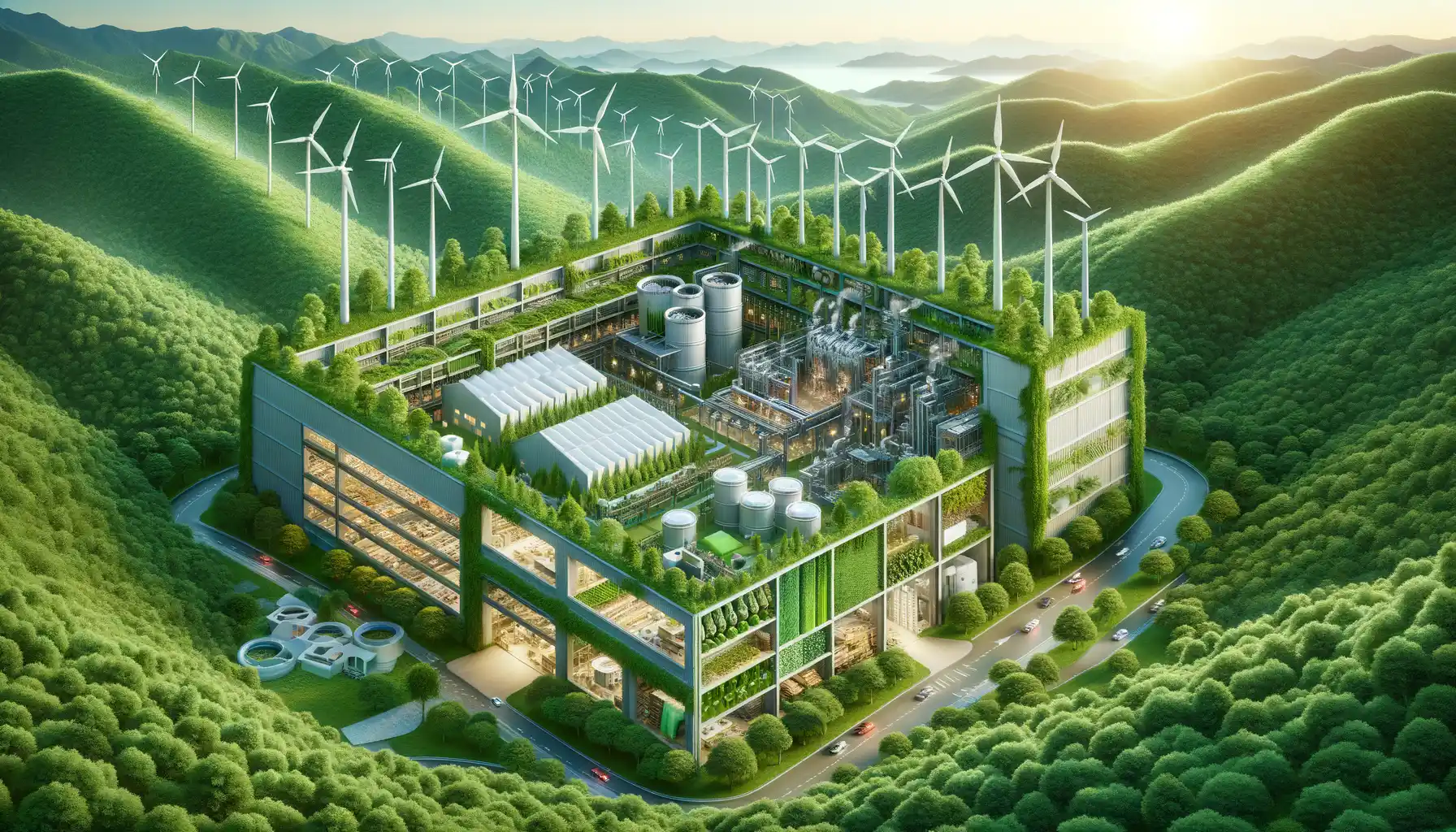
What if your bike frame didn’t just carry you forward but also helped ease the burden on Earth? That’s the magic of using eco-friendly materials in manufacturing. In the world of aluminum bike frames, every choice matters—right down to what goes into it.
One option catching the spotlight is recycled aluminum. Instead of mining fresh bauxite—a process that guzzles energy and scars landscapes—manufacturers can breathe new life into old aluminum cans, car parts, or building materials. It’s like giving metal a second chance to shine, with a fraction of the carbon footprint.
But innovation doesn’t stop there. Picture biodegradable coatings that protect the frame from rust while breaking down harmlessly in nature, or sustainable alloy additives replacing toxic, harmful ones. These aren’t just ideas; they’re happening now.
- Plant-based adhesives that bind components without releasing harmful chemicals
- Steel inserts sourced from reclaimed industrial leftovers
Every material brings a story, one that speaks of resourcefulness and responsibility. When you hold that finished frame, it’s not just a bike—it’s a promise to tread lightly on our shared planet.
Energy-Efficient Techniques in Aluminum Manufacturing
Harnessing Smart Solutions for Energy Conservation
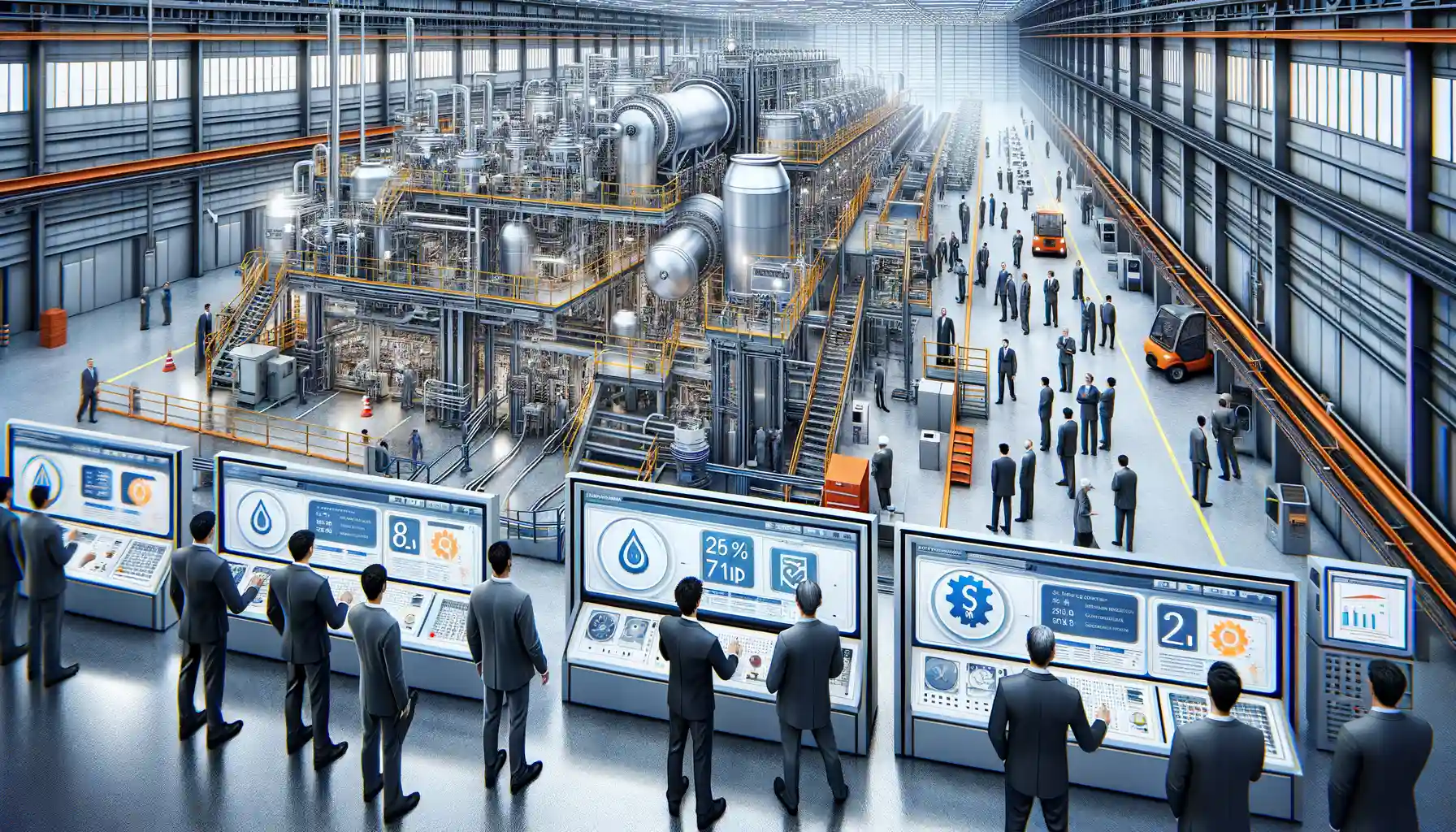
The energy demands of aluminum manufacturing can feel staggering, like trying to light an entire city with a single match. But what if we could flip the script? By weaving in smarter processes and innovative technologies, manufacturers are making strides—and it’s inspiring to see.
Take, for example, the adoption of low-energy smelting techniques. Traditional smelting guzzles power, but advanced methods like inert anode technology are turning that story on its head. This approach not only uses less energy but also slashes emissions. Think of it as swapping out a gas-guzzler for an electric car—it’s a game-changer.
Another energy-saving hero is the use of preheated raw materials. By warming materials like bauxite and alumina before they hit the furnace, manufacturers cut down the energy needed to get things melting. It’s simple, practical, and creates a ripple effect of efficiency.
- Integrating renewable energy sources, like solar or wind, into production lines.
- Recycling scraps directly during fabrication to minimize new energy input.
These aren’t just tweaks—they’re bold moves toward a future where aluminum bike frames are created as responsibly as they are beautifully designed.
Strategies for Minimizing Waste During Production
From Scrap to Smart: Creative Approaches to Waste Reduction
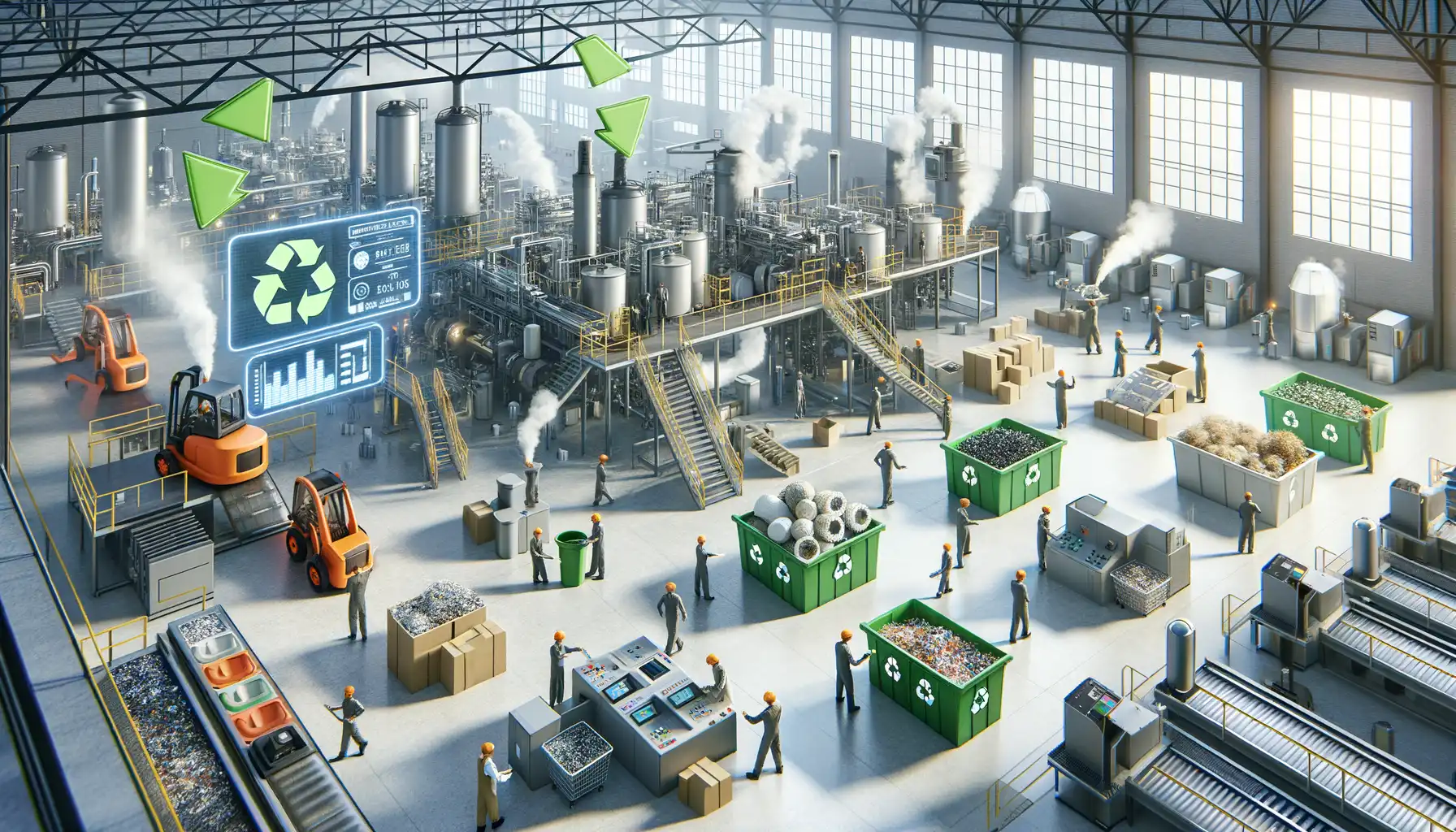
Producing aluminum bike frames can often feel like a balancing act—one misstep, and perfectly good materials end up in the scrap pile. But minimizing waste isn’t just about saving resources; it’s about crafting a process that respects the planet while keeping innovation alive.
One of the most effective ways to slash waste is by embracing precision engineering techniques. Today’s cutting-edge machinery can slice, shape, and refine aluminum with laser-like accuracy, reducing offcuts to near-zero. It’s like having a master sculptor at work, chiseling away only what’s needed and leaving behind a masterpiece.
But let’s not stop there. How about giving your “waste” a second life? Here are a few creative ideas:
- Recycling leftover aluminum into smaller bike parts like brackets or handlebars.
- Creating partnerships with local artists who can transform scraps into stunning art pieces.
- Developing closed-loop systems where every ounce of material gets reused within your own production line.
Think of waste as a treasure chest waiting to be unlocked. Even the tiniest shavings can find a purpose if we’re willing to think differently.
The Role of Digital Tech in Waste Avoidance
Imagine having a team of digital assistants working 24/7 to cut down waste. Tools like computer-aided design (CAD) software can simulate production processes before they even begin, pinpointing inefficiencies in advance. It’s like running a dress rehearsal for your bike frames, ensuring every cut, weld, and bend is flawless.
Blockchain, yes, blockchain, is also sneaking into the manufacturing world. By digitally tracing every step of your supply chain, you can identify where materials are being wasted—even outside your factory walls—and hold suppliers accountable too.
Waste reduction isn’t just strategy; it’s an art form, a blend of creativity, tech savvy, and plain old problem-solving. Every piece counts—literally!
Future Trends in Eco-Friendly Bike Frame Manufacturing
Pioneering Materials That Redefine Sustainability
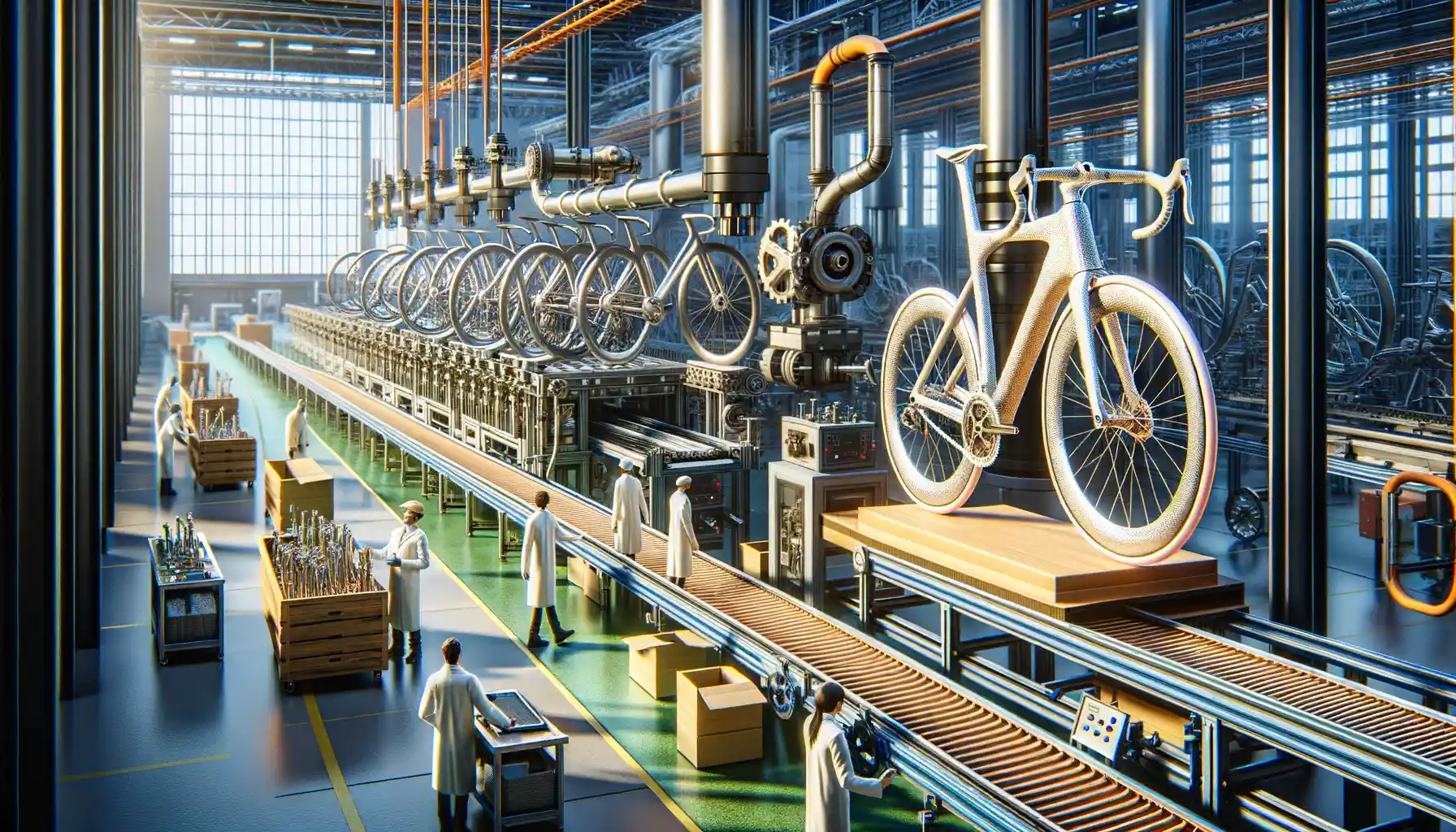
What if your bike frame could be as strong as aluminum but leave a softer footprint on the planet? This is where innovation is steering us. Researchers are exploring hybrid materials that combine traditional aluminum with eco-friendly composites, such as plant-based resins and recycled carbon fibers. Imagine riding a bike framed in part by yesterday’s discarded soda cans, now reimagined into sleek, durable forms.
There’s also the rise of biosourced coatings. These coatings can protect your frame while being biodegradable when replaced—no more toxic finishes leaching into the earth over time. Even under the toughest trail rides, these sustainable materials promise to perform without compromise.
- Recycled alloys that retain strength yet consume minimal energy in production.
- Natural fiber-reinforced composites as lightweight alternatives to standard materials.
- Innovative coatings made from renewable sources, offering superior environmental advantages.
Welcome to the Era of Smarter Manufacturing
The future isn’t just about materials; it’s about how we make those materials work harder for us. Cutting-edge techniques like 3D printing are completely transforming bike frame production. Picture this: instead of shaping bulky blocks of aluminum, manufacturers build frames layer-by-layer with precision, wasting almost nothing in the process.
And then there’s the buzz around green-powered production. Factories are beginning to harness renewable energy sources—think solar-powered extrusion machines or wind-driven smelters. Every watt counts in reducing emissions. The result? A sleek frame sparkling under the sun with the added shine of sustainability.