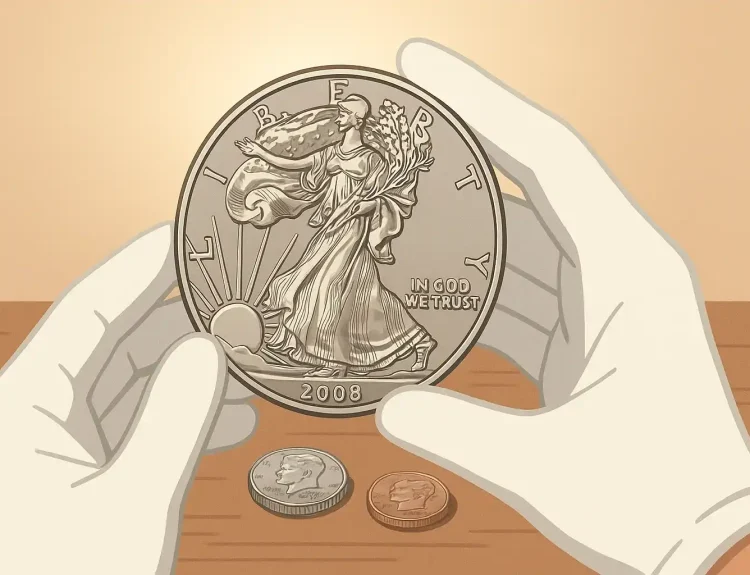
Collectors often ask why two coins of the same year can have completely different prices. A simple free coin value checker gives a general range, yet real value depends on many layers: rarity, condition, strike quality, metal content, demand, and series-specific traits.
A quick lookup helps you start, but a detailed evaluation still relies on observation. Understanding the main factors creates a stable method that works for common coins, scarce pieces, and everything in between. Let’s start with the basics and check the main factors affecting the coin’s value.
Rarity: Why Scarcity Dictates Demand
Rarity stands at the top of every pricing model. A coin becomes valuable when few examples survive in collectible condition. Survival rate often matters more than the original mintage. Large early mintages do not guarantee availability today because circulation, melting, war periods, and storage conditions drastically reduce numbers.
Collectors separate “old” from “rare.” A century-old coin may still be common if millions survived. Meanwhile, a more modern issue can be valuable if a particular mintmark or year had limited distribution.
Two examples show how scarcity works:
- 1909-S VDB Lincoln Cent
Low mintage combined with strong demand creates enduring value. Even worn examples sell consistently because the number of surviving pieces is small.
- 1916-D Mercury Dime
This coin is rare in all grades. High attrition in circulation reduced supply even further. The market stays strong because many collectors focus on completing the full set.
Rarity becomes meaningful only when collectors want the coin. Some scarce issues attract little attention, while others create long-term demand.

Condition: How Grade Influences Price
After rarity, condition is the main price driver. Wear removes small lines, breaks luster, and weakens the strike. Even one grade step changes the value because collectors compete for sharp detail and clean surfaces. Certified coins bring higher prices because grading removes uncertainty; raw pieces sell at lower prices unless the quality is obvious.
Before looking at separate examples, it helps to see a clear structure of how condition affects the market across common grade groups.
Grade Overview Table
| Grade Range | What the Surfaces Look Like | Market Behavior | Typical Risks |
| Poor–VG (P–VG) | Heavy wear, weak relief, major detail missing | Low demand except for rare dates | Cleaning marks are often hidden by wear |
| Fine–VF (F–VF) | Moderate wear, main elements visible, reduced sharpness | Stable mid-level demand for most series | Harder to judge small varieties |
| XF–AU (XF–AU) | Light wear on high points, most detail intact | Strong demand, good balance of price and eye appeal | Easy to confuse a weak strike with wear |
| MS60–MS63 | Uncirculated but with marks, uneven luster | Entry-level Mint State pricing | Bag marks lower eye appeal |
| MS64–MS65 | Clean surfaces, strong luster, sharp strike | Premium demand; real price jumps begin here | Counterfeits target this range |
| MS66+ and above | Exceptional surfaces, minimal marks, top visual quality | Scarce, aggressively bid at auctions | Grading disagreements rapidly changes value |
This table helps you read the market: the jump from one range to another often matters more than the difference between two nearby dates. The finer the surfaces, the fewer coins survive at that level, and the stronger the competition.
Why These Differences Matter
A Lincoln cent in VF sells modestly because the portrait and wheat lines show clear wear. The identical date in MS65 carries bright luster, sharp lettering, and a full strike. The price rises several times because far fewer coins exist with untouched surfaces. Collectors chase the best examples, not the average ones, so superior condition always brings disproportionate premiums.
High grade does not only mean “no wear.” Strike strength, color (for copper), luster, and surface texture all influence desirability. Two coins with the same numeric grade can still show different visual quality, which is why certified photos and side-by-side comparison remain essential.
Key Dates: Why Certain Years Always Cost More
Key dates act as anchors in every series. Some years had small mintages. Others saw heavy circulation that left few survivors in top condition. A key date is valuable not because of age, but because it completes a set and remains difficult to find.
Demand for key dates stays high because every collector building a series must eventually purchase those specific pieces.
Two clear examples:
- 1932-D Washington Quarter
Low mintage and strong set collecting keep prices high.
- 1921 Peace Dollar
The first year of the series, with a single-year design and tight supply, creates long-standing demand.
Key dates also gain value because they are harder to upgrade. Even circulated pieces hold solid markets because few collectors want to leave a gap in their albums.
Varieties and Mint Errors: When Small Differences Create Big Value
Varieties and errors add another layer of pricing. Doubling, repunched mintmarks, misplaced dates, and legitimate striking mistakes can drastically raise value. The market distinguishes between true varieties created by the die and accidental damage created by circulation or handling.
Main points:
- A real doubled die shows separation in letters and digits, not flat doubling or shelf-like edges.
- RPM and RPD varieties show clear repositioning of the original punch.
- Errors like missing design elements, clipped planchets, or misaligned strikes receive strong premiums when well-defined.
Examples:
1955 Doubled Die Cent. The doubling is bold and unmistakable. High demand keeps prices strong across many grades.
1937-D Three-Legged Buffalo Nickel. A die polishing accident removed part of the front leg. The variety is obvious and widely collected, raising prices above normal 1937-D nickels.
Varieties reward attention to detail. A small difference on the surface can represent a major price jump.
Metal Content: How Silver and Gold Influence Price Floors
Metal value creates a baseline for many coins. Silver and gold issues carry intrinsic worth even when the condition is poor. Prices rarely fall below the melt value plus a small premium.
Silver coins gain value when metal markets rise. Gold coins behave similarly but fluctuate more sharply because the metal has wider economic uses. Metal content does not determine collector value fully, but it guarantees that certain coins will not fall below a specific range.
A worn 90% silver half dollar still has melt value. A common-date gold $10 Eagle maintains a high minimum cost even with marks or wear.
Metal creates stability in pricing even when collector demand is low.
Historical Importance and Collector Demand
Some coins rise in price because they carry historical weight, mark a transition, or belong to a series with strong public interest. Historical meaning often influences value as much as mintage. A coin tied to a cultural moment or well-known series attracts more buyers, even when the piece is not truly scarce. Popularity becomes a pricing force on its own.
A short comparison shows how history amplifies demand:
Influence of History and Popularity on Value
| Coin / Series | Why Demand Stays High | Market Effect |
| Morgan Dollar (common dates) | Large size, iconic design, strong cultural presence, connection to the late 19th century | Sells above many coins of equal rarity because collectors compete for the series |
| Peace Dollar (1921–1935) | Symbol of the post-war era, unique relief in 1921, clean modern aesthetic | Higher demand even for mid-grade pieces |
| 1964 Kennedy Half Dollar | National significance, emotional link to the era, strong silver content | Stable buying interest, strong liquidity across grades |
Even when some dates remain common, these series move quickly because collectors enjoy the story behind them. Historical recognition adds weight to every decision. When a coin is both scarce and culturally significant, demand pushes prices far beyond the baseline expected from mintage alone.
Collector demand works like a multiplier:
- rare + popular = premium value
- rare + overlooked = moderate value
- common + highly popular = stable and liquid.
Digital Tools to Get Quick Answers About a Coin’s Value
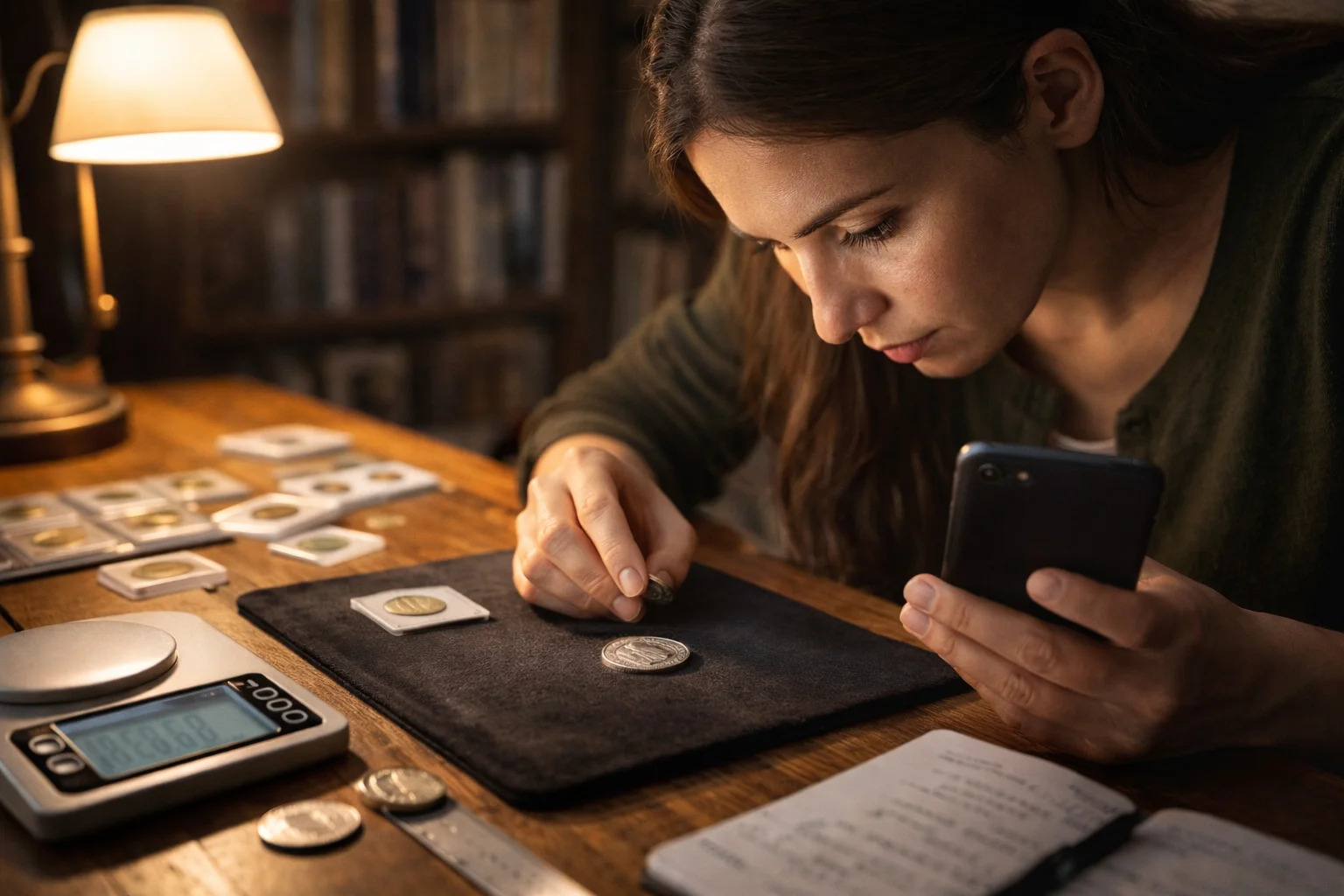
Apps give fast reference points but do not replace physical examination. A coin identifier app reads features from your photo and matches them with known types. It provides a starting point when you need the metal, denomination, date range, or general market level. It works the same way and helps verify basic details before deeper inspection.
Digital tools help when you want to confirm:
- Correct series and denomination
- Official metal composition
- Expected weight and diameter
- Years of issue
- General market categories
However, apps do not detect cleaning, tooling, altered digits, counterfeit surfaces, or micro-damage. Photos may hide flaws, and lighting can distort color or relief depth.
Coin ID Scanner works well as an early filter. It shows metal type, minting years, size, and an estimated market range. If any parameter differs from your coin, you know the piece deserves closer inspection. The tool gives structure to the process, but final judgment depends on your eyes, measurements, and comparisons with certified examples.
Why Two Similar Coins Can Have Completely Different Prices
Two coins that look identical at first glance may vary greatly in value. Grade captures some of the difference, but other traits influence price strongly: strike quality, surface texture, color for copper, and overall eye appeal.
A real example shows this clearly:
1964 Kennedy Half Dollar (both MS65)
- Coin A: normal luster, average strike, subdued fields. Typical sale: $35–$45.
- Coin B: bright luster, strong detail on hair and eagle, clean surfaces, high eye appeal. Sale at major auction: over $150.
Both coins carry the same certified grade, yet collectors pay much more for the piece with superior appearance. Eye appeal, strike strength, and surface uniformity create the difference.
Subtle traits separate average from exceptional coins. Value follows these distinctions.
Common Mistakes Beginners Make When Evaluating Coin Prices
Beginners often focus on age and assume old coins are valuable. Market value forms differently. A coin from the 1800s may be inexpensive if it is common and heavily worn.
Common errors include:
- Checking only the highest prices online and assuming they apply to all grades.
- Ignoring surface issues such as cleaning, discoloration, or small damage.
- Relying on rumors about rarity instead of verified data.
- Trusting a single photo and overlooking hidden defects.
- Overestimating digital estimates and skipping physical inspection.
Avoiding these mistakes improves judgment quickly.
Summary Points
Coin values rise from several factors acting together. Rarity, condition, date, varieties, metal content, and demand all interact to shape the final price. Digital tools like the coin app for Android or iOS help with quick checks, yet true evaluation relies on comparing details, examining surfaces, measuring size and weight, and studying certified examples.
A working strategy is a consistent practice to reveal the traits that separate common coins from valuable ones. With each inspection, patterns become clearer, your collection more, and your confidence grows.